


 389 / 392

only three-dimensional calculation could accurately determine the stress state of such
complex geometry, which is certainly less favourable than the one obtained.
a)
b)
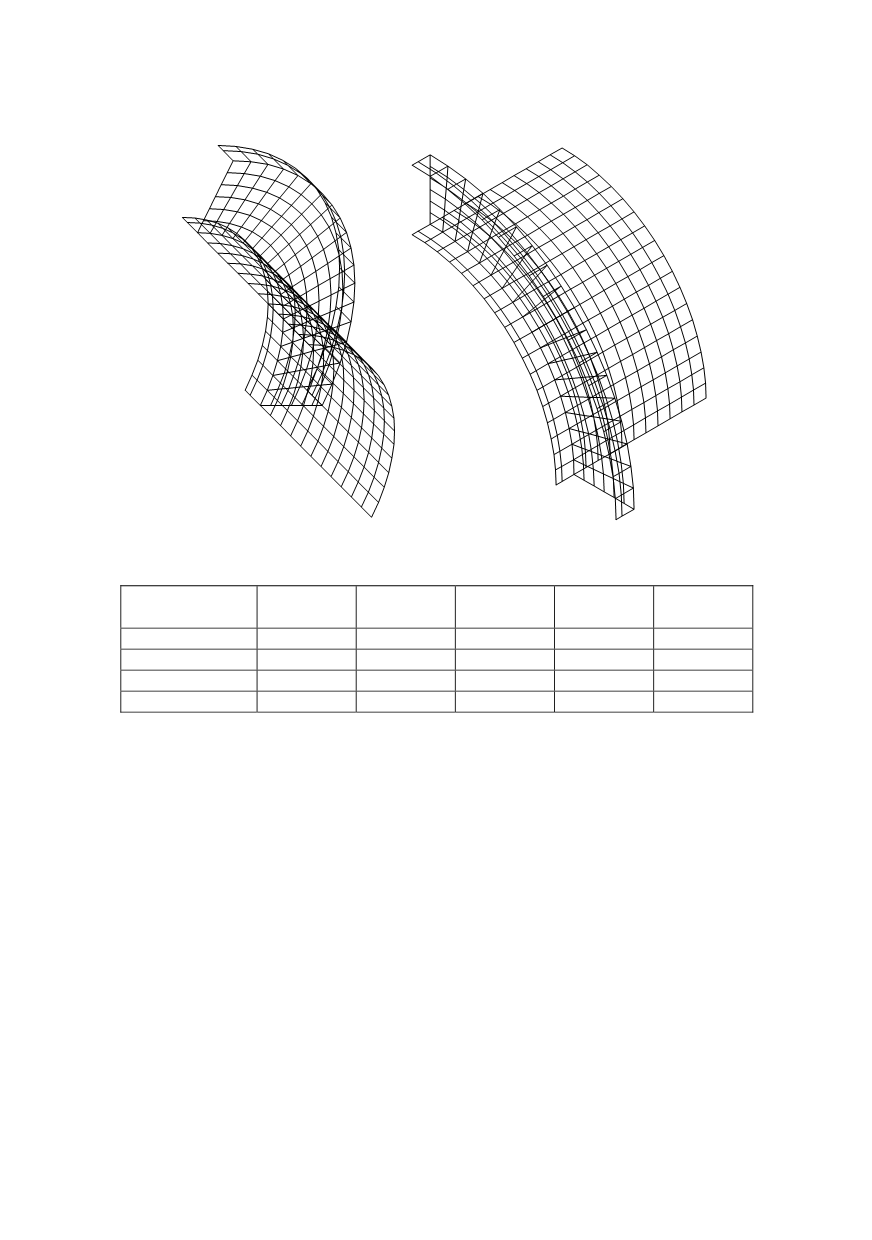
Figure 14. Two isometric views of the FE model, (a) and (b)
Table 4. Stresses at characteristic points along the bifurcation axis – with upper plate on the collar
distance from
collar centre
σ
x
m
(MPa)
σ
y
m
(MPa)
τ
xy
m
(MPa)
σ
x
s
(MPa)
σ
y
s
(MPa)
a
(350 mm)
136.2
95.4
0
1.8
5.4
b
(250 mm)
95.4
79.8
0
–23.4
–78.6
c
(100 mm)
75
69.6
0
–12.6
–42
d
(0 mm)
72
69.6
0
–0.6
–1.8
σ
x
m
–longitudinal normal membranous stress;
σ
y
m
–circumferential normal membranous
stress,
τ
xy
m
–tangential membranous stress,
σ
x
s
–longitudinal normal bending stress,
σ
y
s
–
circumferential normal bending stress
CONCLUSION
Structural integrity is a relatively new scientific and engineering discipline, which
includes state analysis and diagnostics of the behaviour and weakening, and life time
assessment and revitalization of structures
[
26
]
. It means that, besides common situations in
which structural integrity should be accessed when non-destructive testing detects a defect,
this discipline also includes stress-state analysis of crack-free structures, mostly by the finite
element method. In that way an accurate and detailed distribution of displacements, strains,
and stresses is obtained, making it possible to establish the ‘weak’ points in a structure,
even before a crack appears. This approach is very important for structures exposed to
operating conditions typical for crack initiation, such as fatigue, creep, and corrosion.
REFERENCES
1.
Inglis, C.E.,
Stresses in a plate due to the presence of cracks and sharp corners
, Proc. Inst.
Naval Arch. 55, pp. 219-241. (1913)
2.
Griffith, A.A.,
The phenomena of rupture and flow in solids
, Phil. Trans. Roy. Soc. London. A,
221, pp. 163-198. (1920)
385